
Client Onboarding Checklist Template
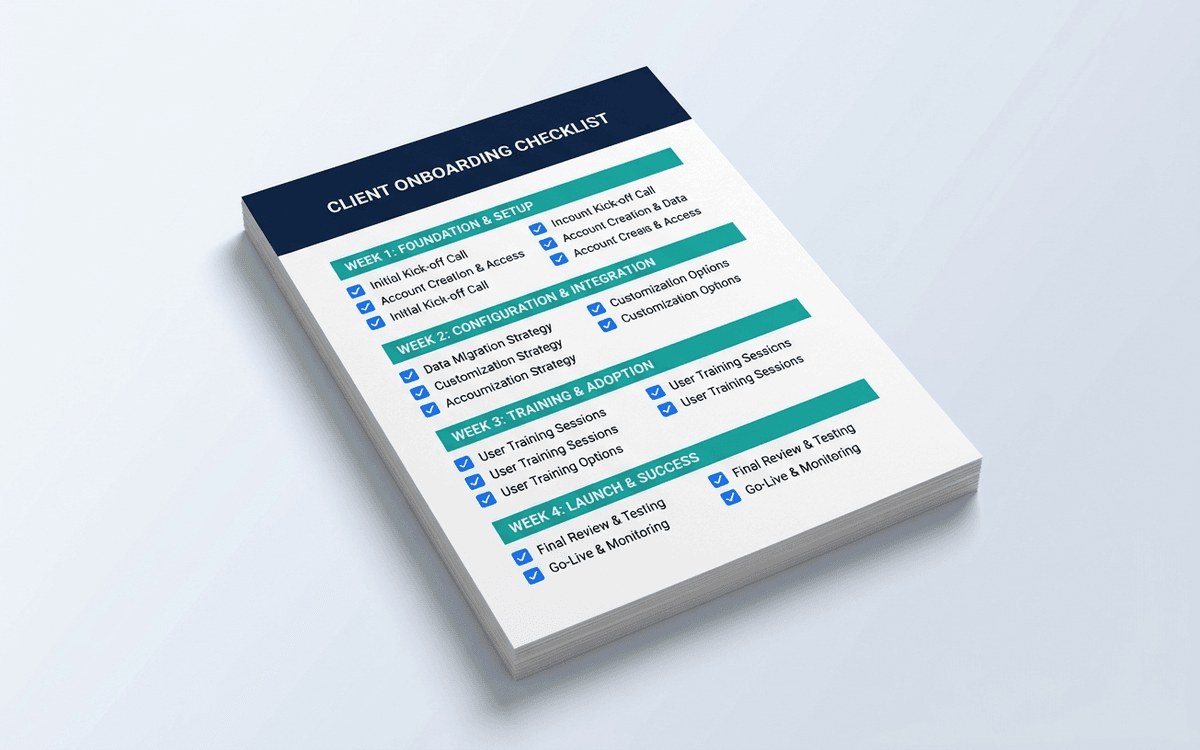
A client onboarding checklist covering the first 30 days of every engagement — contract execution, kickoff prep, system access, communication setup, and the first-deliverable review that sets quality expectations. The most-skipped, highest-leverage 30 days in any client relationship.
- Format:
- Word (.docx) (37 KB)
- Price:
- Free, no paywall
- Published May 2026
Download this template — free
Tell us where to send the link. We'll never share your email.
What's included
- Pre-kickoff: SOW signed, deposit invoiced, internal team assigned
- Week 1: kickoff meeting, communication channels set up, project workspace provisioned
- Week 1: stakeholder map, RACI established, first-deliverable scope confirmed
- Week 2: access to client systems / data / brand guidelines, first draft work begun
- Week 3: first deliverable review, feedback loop tested
- Week 4: pace check, expectations recalibration, second-deliverable scoping
- End-of-month-1 retro: what's working, what to change, sponsor check-in
- Status by checklist item: Done / In Progress / Blocked / N/A
- Owner column for every line item
How to use this template
1. Start the checklist the day the SOW is signed
Day zero matters more than week one. The most common onboarding failure is gap between signature and kickoff — clients lose momentum and start questioning the decision. Trigger pre-kickoff tasks (welcome email, kickoff scheduling, internal team assignment) within 24 hours of signature.
2. Test the feedback loop in week 3, not week 6
The first real deliverable should hit the client at the end of week 3, not the end of month 2. Test the feedback loop early when the engagement can still adapt. Late first-deliverables are the #1 source of churn-risk relationships.
3. Run an end-of-month-1 retrospective
Almost no one does this. The retro at the end of month 1 catches every misaligned expectation while there's still time to fix it. 30 minutes with the sponsor: "what's working, what's not, what should we change?" The conversation alone strengthens the relationship.
4. Assign one internal "client owner"
Client onboarding handled by committee fails. One person inside your org owns the relationship and the checklist. They might delegate tasks but they own the outcome. This is the single biggest predictor of onboarding success.
5. Document client preferences early
Does the client prefer email or Slack? Morning or afternoon calls? Tight or detailed updates? Capture this in week 1 in a "how this client works" doc. Future teammates who pick up the account benefit from the doc; the client benefits from not having to re-explain.
Who it's for
- Agency account leads onboarding new clients
- Consulting engagement managers starting new projects
- Customer success teams running structured onboarding
- Founders running early services delivery themselves
Frequently asked questions
- How long should client onboarding take?
- 30 days for most agency/consulting engagements. Some SaaS implementations are 14 days; some enterprise programs are 60-90 days. The checklist here is calibrated to 30 days but the principle applies across timeframes: structured, time-boxed, with explicit completion criteria.
- What's the difference between onboarding and kickoff?
- Kickoff is one meeting — typically the formal start. Onboarding is the 30 days around it. Pre-kickoff prep, kickoff meeting, week-1-through-4 ramp, end-of-month-1 retro. Kickoff is an event; onboarding is the structure that makes the event productive.
- Who owns client onboarding internally?
- Typically the account lead or engagement manager. At smaller firms it might be the founder doing it themselves. Whoever owns it, they need explicit time-blocked authority — onboarding done in spare-time-around-other-work consistently fails.
- Should the client see the onboarding checklist?
- Selectively. Share the parts about THEM (kickoff prep, access provision, feedback expectations) so they know what's coming. Keep internal-only items (team assignment, internal QA gates) on a parallel internal checklist. Transparency where it helps, separation where it doesn't.
- How is this different from customer success onboarding?
- Same shape, different context. Customer success onboarding is for SaaS subscriptions — getting users active. Client onboarding is for services engagements — getting deliverables flowing. The structure (pre-engagement, week-by-week ramp, month-1 retro) applies to both.
More agency / client templates
Statement of Work Template
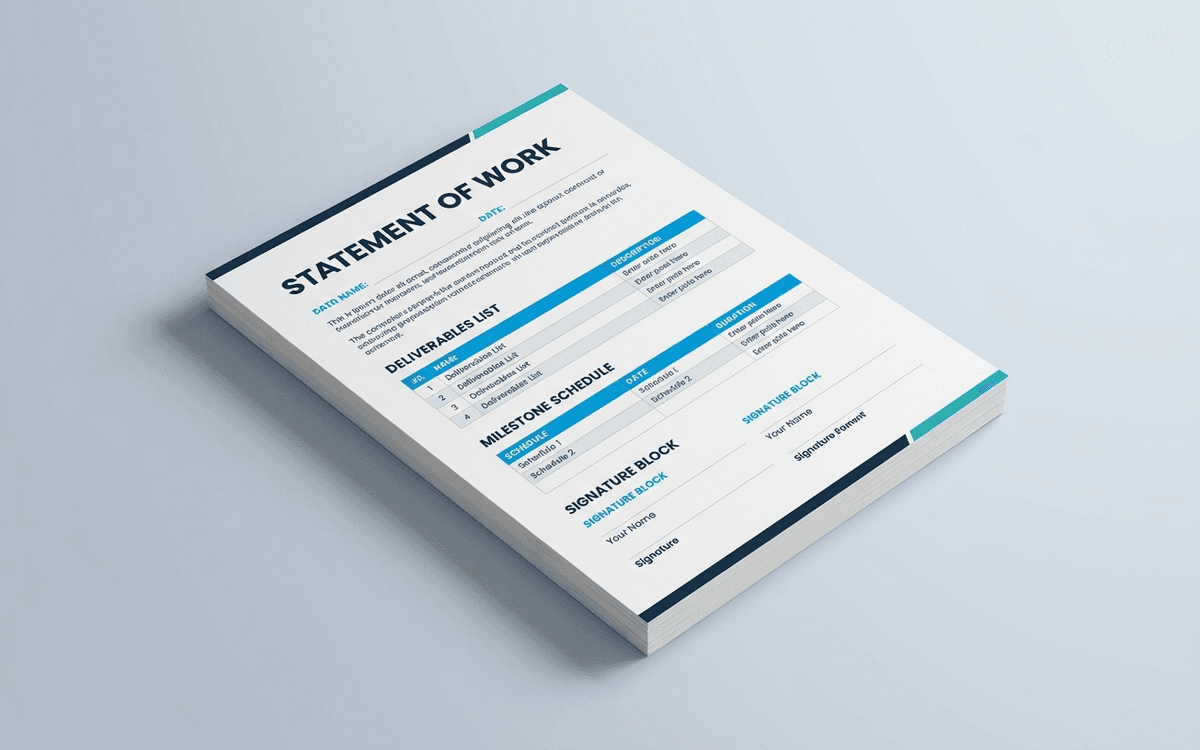
A Statement of Work template locks scope without scaring the client — clear deliverables, milestones tied to payment, acceptance criteria, and the change-order language you need when scope inevitably moves.
Project Kickoff Template
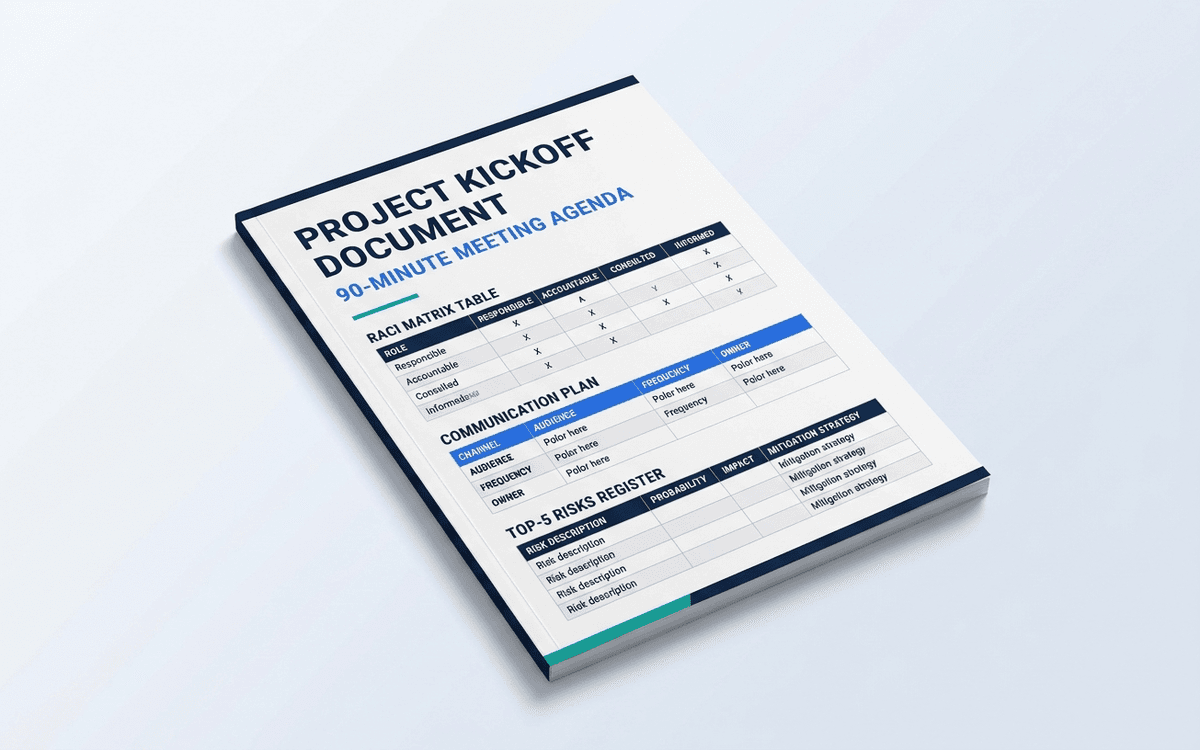
A project kickoff template that turns the first meeting into the one that prevents the most common project failures — unclear scope, missing stakeholders, ambiguous decision rights — instead of just a calendar item that gets through introductions.
Creative Brief Template
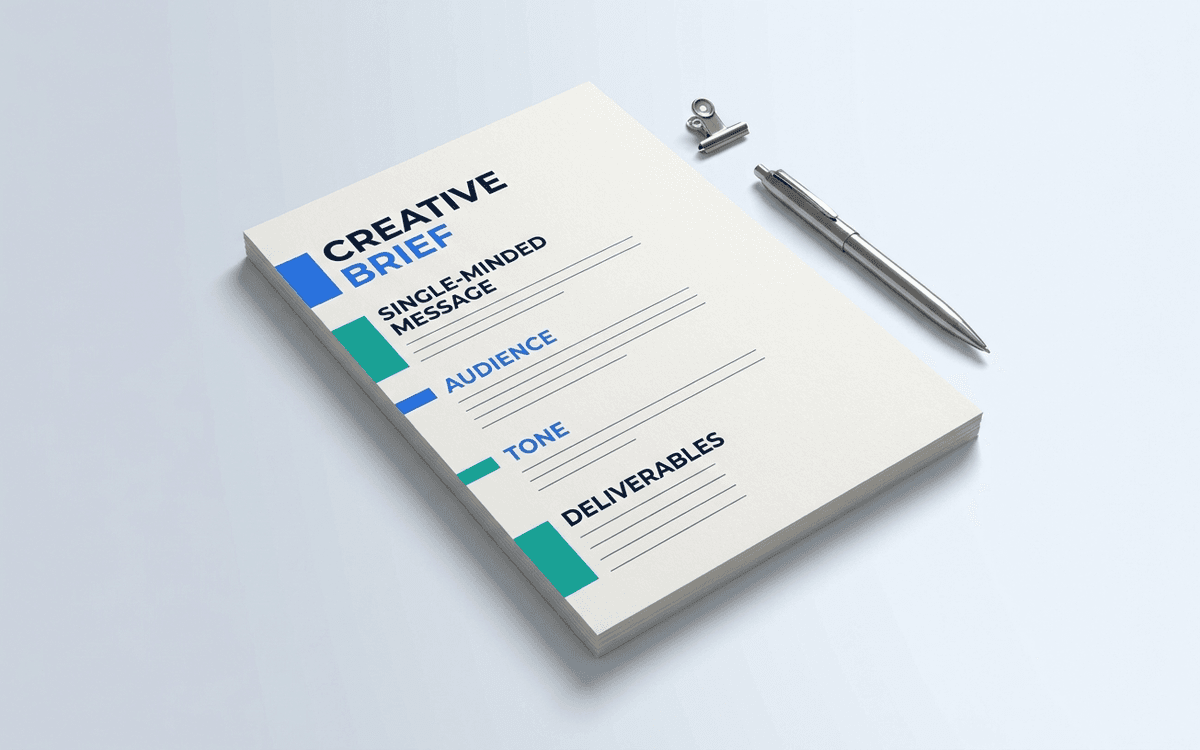
A creative brief template aligns the client, the strategist, and the creative team on the one or two things that have to be true for the work to be successful — before anyone starts designing.
When the template isn't enough
AppDeck's agency / client portal turns this template into a live workspace — version control, permissions, signatures, and analytics built in.