
Mutual NDA Template
A mutual NDA template you can send to a prospective investor, partner, or vendor in under 60 seconds — balanced two-way confidentiality, standard term, standard exceptions, and no clever clauses that make the other side run it past their lawyer.
- Format:
- Word (.docx) (34 KB)
- Price:
- Free, no paywall
- Published May 2026
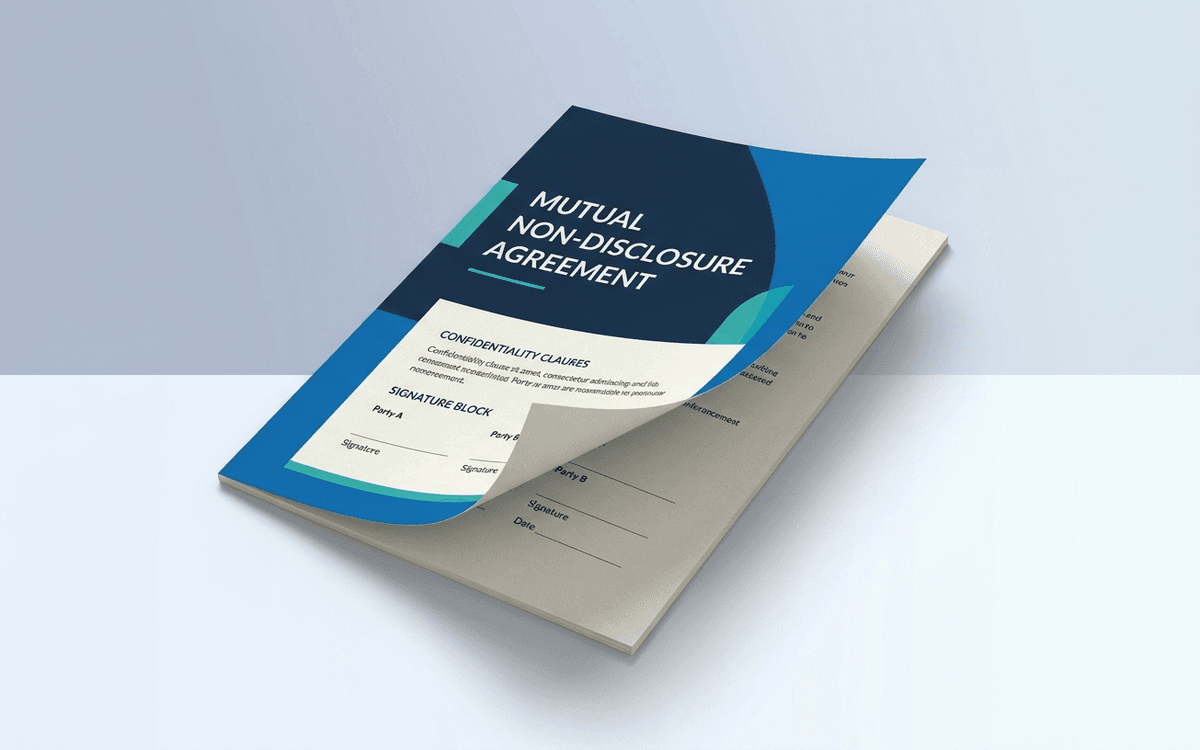
Download this template — free
Tell us where to send the link. We'll never share your email.
What's included
- Parties block (your company + counterparty)
- Purpose recital (why the parties are sharing information)
- Definition of Confidential Information (broad, with standard carveouts)
- Mutual obligations of confidentiality and non-use
- Standard exceptions (already known, publicly available, independently developed, court-ordered)
- Term (typically 2 or 3 years, definable per use case)
- Return-of-materials clause on termination
- No-license / no-warranty boilerplate
- Choice of law and venue (placeholder)
- Counterpart-signature clause
How to use this template
1. Use mutual, not one-way, with investors and peers
One-way NDAs (where only the disclosing party is protected) are appropriate for some vendor and employee contexts. For investor conversations and peer partnerships, mutual is the norm. Both sides will be sharing something confidential.
2. Don't use an NDA with most VCs
Most institutional VCs don't sign NDAs at the pitch stage — they see hundreds of decks and the legal overhead of tracking NDAs across firms is impractical. Use NDAs for: bank conversations, lender diligence, late-stage strategic conversations, partnership talks, vendor evaluations. Save the NDA push for after a real signal of interest.
3. Pick a sensible term
Two to three years from signing is the typical term for early-stage business conversations. Five years is enterprise-deal territory. Perpetual is heavy-handed and the other side will push back. If you're protecting trade secrets specifically, those typically get protected separately under trade secret law without a fixed term.
4. Be willing to redline the carveouts
The standard exceptions in this template (already known, publicly available, independently developed, court-ordered) are the floor — almost every counterparty's counsel will redline AROUND those rather than ADD new ones. If you're asked to add another carveout, ask why first; it might reveal something useful about the deal.
5. Don't use this for an employment or contractor relationship
Employment / contractor NDAs include IP assignment, work-for-hire language, and non-solicit clauses that don't belong in a business-to-business mutual NDA. Use a different template for those (Proprietary Information and Inventions Agreement / IP Assignment Agreement).
Who it's for
- Founders before investor conversations
- Operators sharing roadmap or financials with partners
- Anyone evaluating a vendor with confidential mutual disclosure
- Small companies that haven't built a legal stack yet
Frequently asked questions
- Is this NDA template legally binding?
- Once signed by both parties with the placeholders filled in, yes — it's a binding contract under U.S. law. However: every business and jurisdiction is different. For material business relationships, have an attorney review before signing. This template is a sensible starting point, not a substitute for counsel.
- What should I put in the "Purpose" recital?
- A specific, narrow description of why you're exchanging information. Examples: "Evaluating a potential investment by [Investor] in [Company]." "Evaluating a potential partnership between the parties." "Evaluating [Vendor]'s services for [Company]." A narrow purpose is more protective than a vague one — confidential information used outside the purpose may itself be a breach.
- How long should the term be?
- Two to three years from signing is standard for early-stage business conversations. Some agreements use a longer "term of confidentiality" (e.g., 5 years) AFTER a shorter "term of agreement" (e.g., 1 year). For trade-secret-grade information, those are typically protected separately under trade secret law for as long as they remain secret.
- Do I need a separate NDA per conversation?
- You can use one NDA to cover an ongoing relationship — common with vendors, partners, and advisors you're working with over time. Investors and one-off counterparties usually get one NDA per engagement. If you sign a Master NDA with someone, you don't need a new one each time you share new confidential material with them.
- Will VCs sign an NDA?
- Most institutional VCs won't sign NDAs at the pitch / initial meeting stage. The legal overhead of tracking NDAs across hundreds of pitches per year is impractical, and they're likely to see lots of adjacent ideas. Once you're in serious diligence, NDAs are sometimes appropriate. Don't lead with one — it signals you don't understand the venture norms.
More fundraising templates
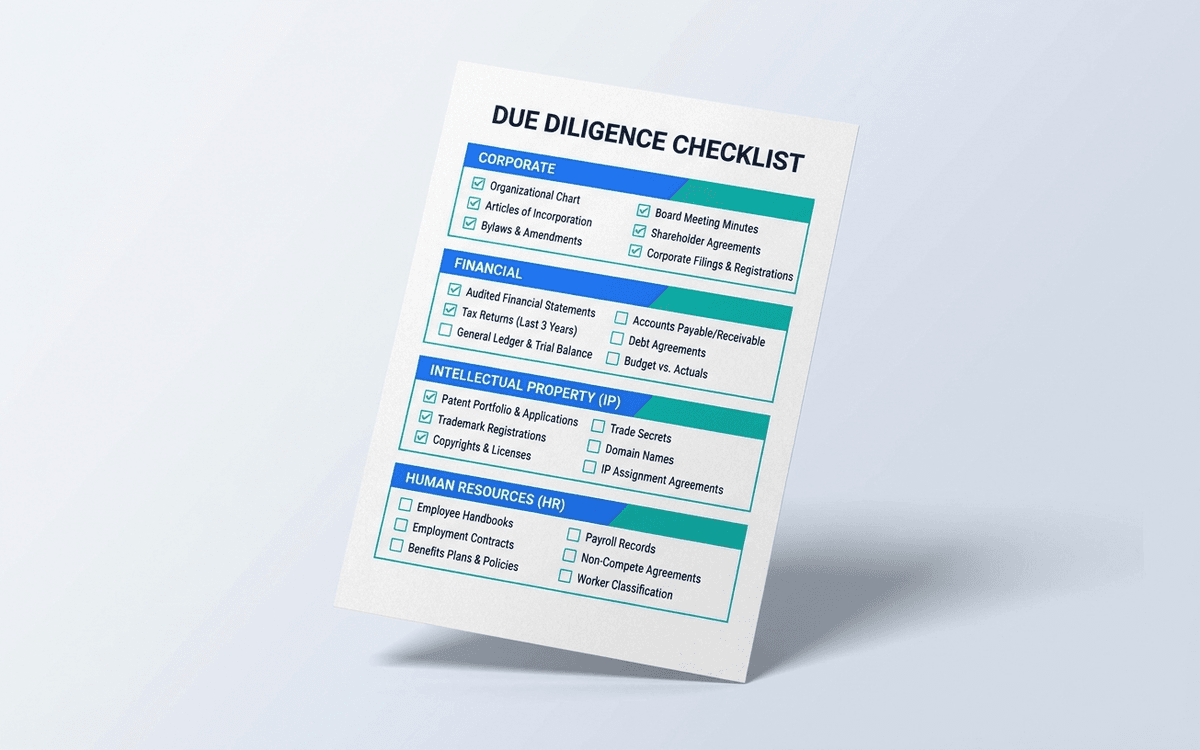
Due Diligence Checklist Template
A due diligence checklist gives founders the punch list investors and acquirers actually run — corporate, financial, IP, HR, commercial, and tech — so you can stage the data room before a term sheet lands instead of during.
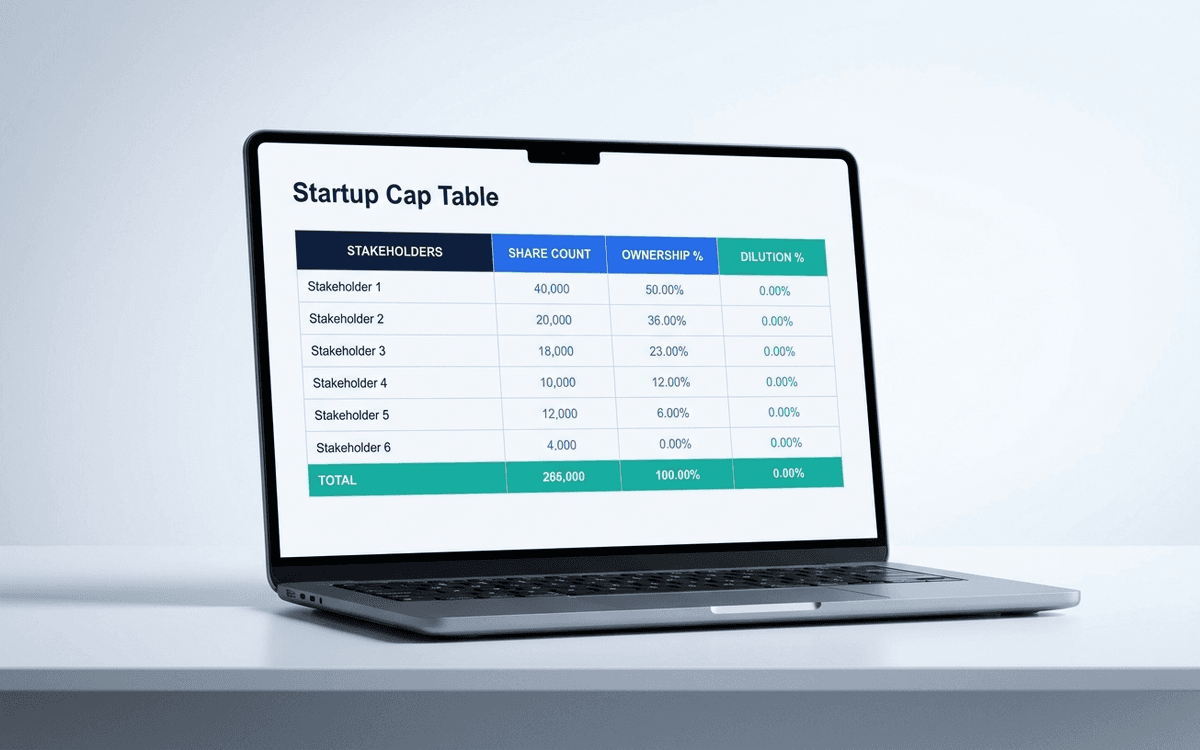
Cap Table Template
A cap table template that tracks founders, employees, SAFEs, convertible notes, and priced rounds — and calculates fully-diluted ownership automatically. Built for founders raising pre-seed through Series A.
When the template isn't enough
AppDeck's fundraising portal turns this template into a live workspace — version control, permissions, signatures, and analytics built in.
Related Articles
Learn more about this topic from our expert guides and resources.
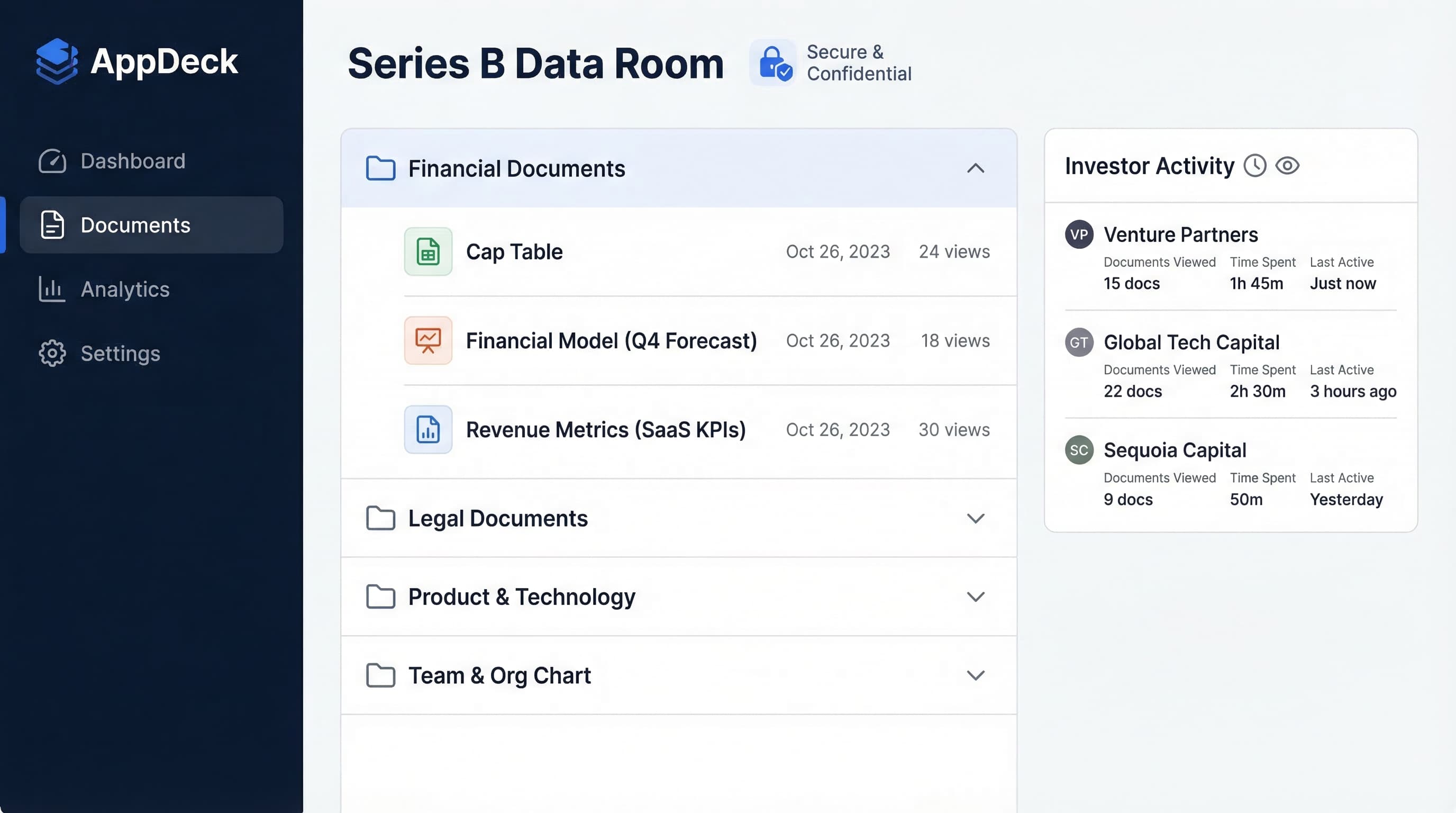
Investor Data Room Best Practices: A CFO's Complete Guide for 2026
Learn the essential best practices for creating and managing investor data rooms. Complete guide with checklist, templates, and real-world examples from successful fundraising rounds.
Read Article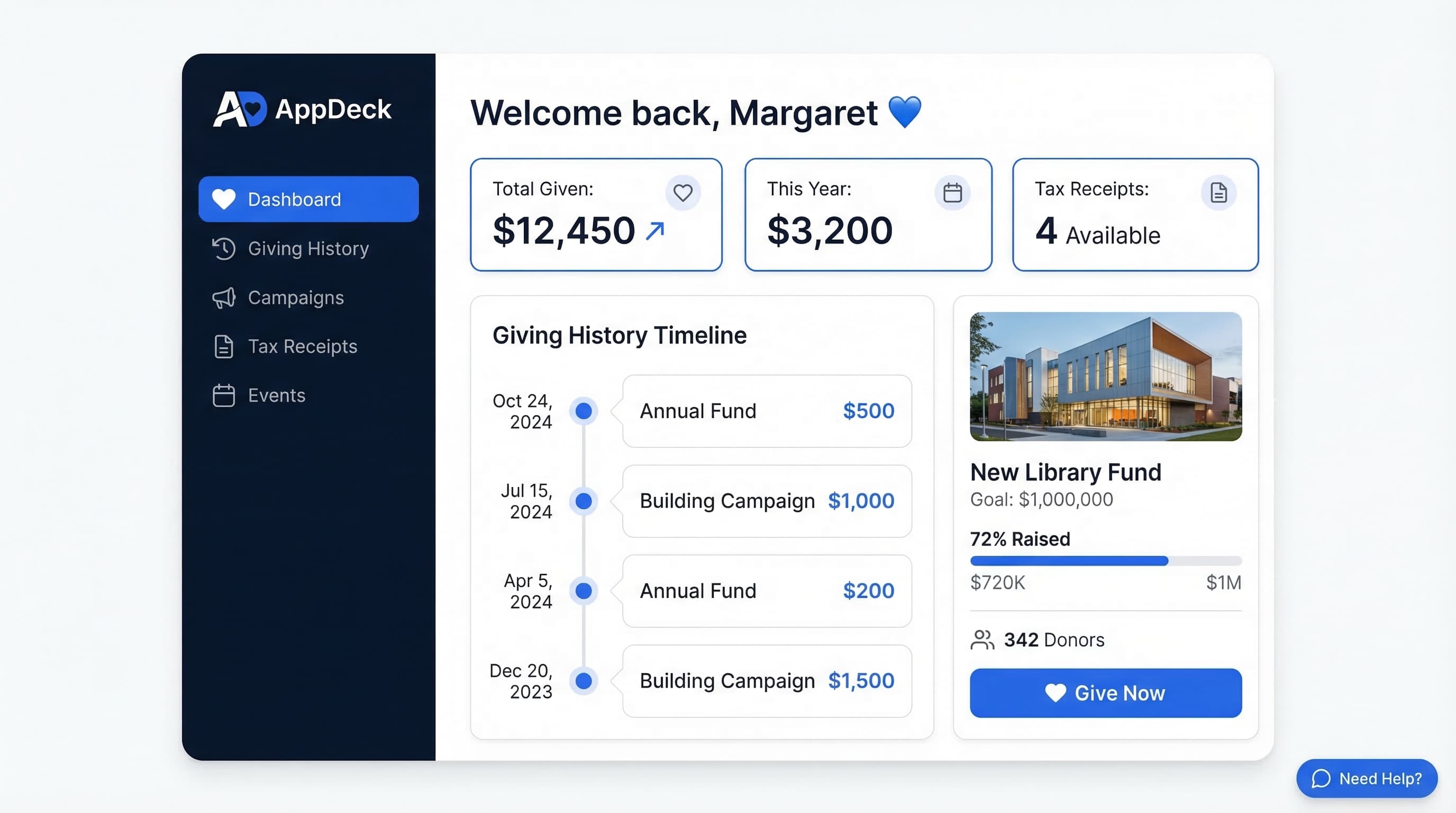
Donor Portal Software: 7 Best Platforms for Nonprofits (2026)
Compare the best donor portal software for nonprofits. Online giving, donation history, tax receipts, communication tools, and volunteer management. Honest reviews and pricing.
Read ArticleDue Diligence Checklist: Complete Guide for M&A, Fundraising & Investors
The definitive due diligence checklist for fundraising, M&A, and investor review. 100+ items organized by category with templates and data room setup tips.
Read Article