
HR Dashboard Template: 10 Examples with Key Metrics and Layouts
Free HR dashboard templates for tracking headcount, turnover, hiring pipeline, DEI, engagement, and compensation. Layouts, key metrics, and design tips for HR leaders.
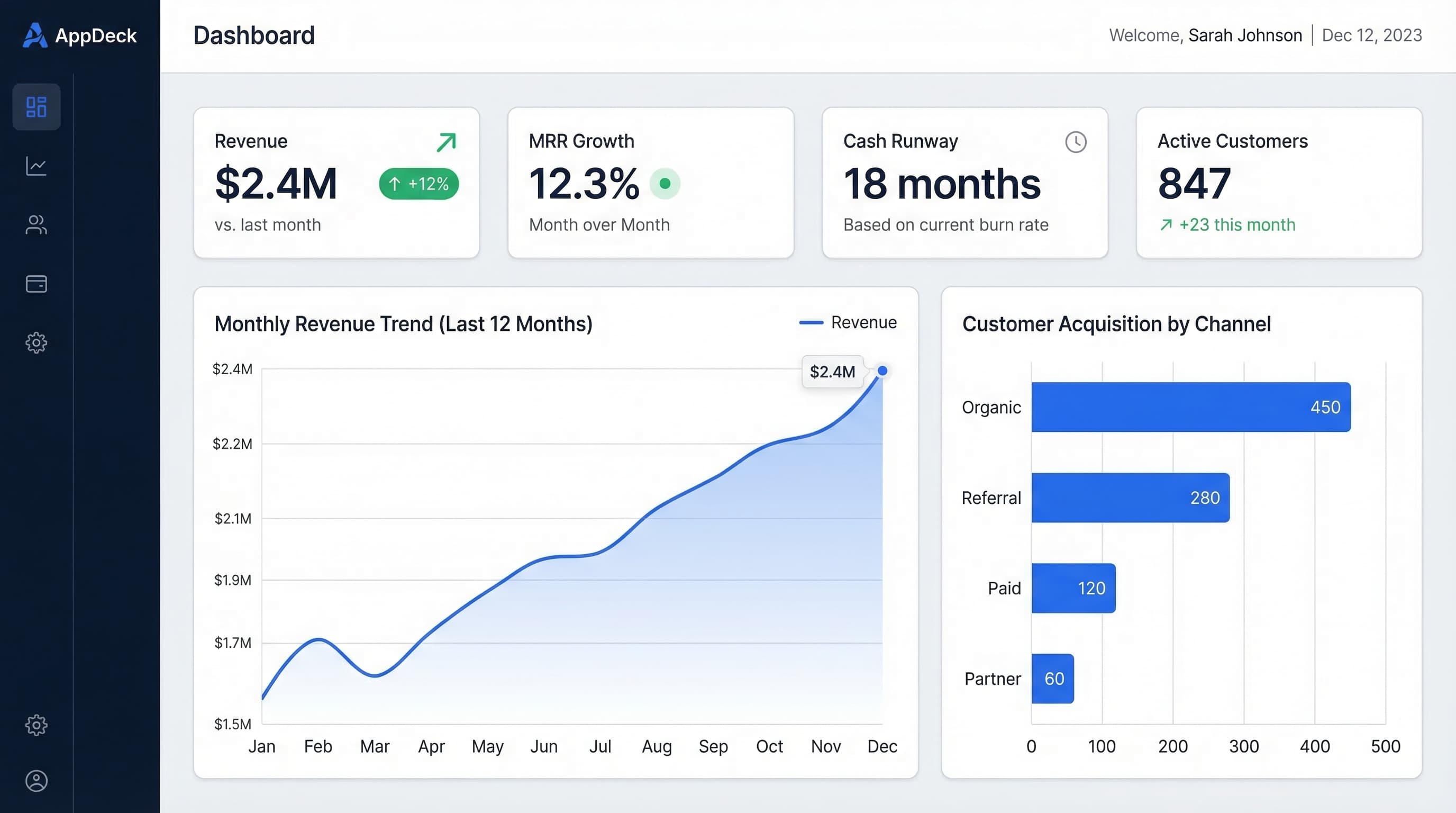
Download the template: Get the dashboard as a free Excel file — HR Dashboard Template (.xlsx) — with headcount, attrition, time-to-hire, comp ratio, and DEI metrics pre-built on sample data. No paywall.
Introduction
HR leaders are under more pressure than ever to be data-driven. Gone are the days when people operations could run on gut feel and annual surveys. Today, your CEO wants to know the cost of turnover by department, your CFO wants headcount forecasts tied to revenue, and your board wants DEI metrics with quarter-over-quarter trends.
The problem? Most HR teams are drowning in data but starving for insight. You have payroll data in one system, engagement surveys in another, recruiting metrics in a third, and no single view that ties it all together.
That is where an HR dashboard comes in. A well-designed human resources dashboard template turns scattered people data into clear, actionable decisions. It tells you where to hire, who is at risk of leaving, whether your compensation is competitive, and if your DEI initiatives are actually moving the needle.
In this guide, I will share 10 HR dashboard templates you can adapt for your organization, complete with ASCII layouts, the key metrics for each, and design principles that make dashboards actually useful.
What Makes a Good HR Dashboard
Before diving into templates, let me share four principles I have seen separate great HR dashboards from the ones that collect dust.
1. Actionable Metrics Only
Every metric on your dashboard should answer the question: "What would I do differently if this number changed?"
If the answer is "nothing," remove it. A dashboard with 50 metrics is not a dashboard. It is a spreadsheet with a coat of paint.
Bad:  Total employees = 847
Good: Headcount vs Plan: 847 / 900 (94%) ⚠️ 53 open roles
The second version tells you something is wrong and roughly how big the gap is.
2. Audience-Appropriate
A CHRO dashboard should look different from a recruiting manager dashboard. Executives need trends and summaries. Managers need operational detail.
- Executive dashboards: 5-8 KPIs, heavy on trends and benchmarks
- Manager dashboards: 10-15 metrics, heavy on drill-downs and filters
- Analyst dashboards: Full detail with segmentation and custom date ranges
3. Benchmark Context
Raw numbers are meaningless without context. Always show at least one of these alongside every metric:
- Target/plan (e.g., "Turnover: 14% vs 12% target")
- Prior period (e.g., "Turnover: 14%, up from 11% last quarter")
- Industry benchmark (e.g., "Turnover: 14% vs 13% SaaS median")
4. Drill-Down Capability
A dashboard is a summary, not a report. Every metric should let you click through to the underlying detail. If your turnover rate spikes, you should be able to drill into which departments, tenure bands, and managers are driving the change.
10 HR Dashboard Templates
1. HR Executive Overview Dashboard
Best for: CHROs, VP of People, HR Directors reporting to the C-suite
Purpose: A single-screen view of the health of your workforce. This is the dashboard you pull up in your weekly executive meeting.
Key metrics:
- Total headcount and headcount vs plan
- Annualized turnover rate (voluntary and involuntary)
- Average cost per hire
- Employee Net Promoter Score (eNPS)
- Time to fill open roles
- HR-to-employee ratio
━━━━━━━━━━━━━━━━━━━━━━━━━━━━━━━━━━━━━━━━━━━━━━━━━━━━━━━━━━━━━━━
   HR EXECUTIVE OVERVIEW                         Q1 2026
━━━━━━━━━━━━━━━━━━━━━━━━━━━━━━━━━━━━━━━━━━━━━━━━━━━━━━━━━━━━━━
  Headcount      Turnover       Cost/Hire      eNPS
  847 / 900     14.2%          $4,850         +32
  ⚠️ 94% plan    🚨 vs 12% tgt  ✅ vs $5.2K    ✅ vs +28 avg
━━━━━━━━━━━━━━━━━━━━━━━━━━━━━━━━━━━━━━━━━━━━━━━━━━━━━━━━━━━━━━
   HEADCOUNT TREND (12 months)
   900 +                                          ·  target
   875 +                                    ●━━━●
   850 +                         ●━━━●━━━●
   825 +              ●━━━●━━━●
   800 +  ●━━━●━━━●
       ━━━━━━━━━━━━━━━━━━━━━━━━━━━━━━━━━━━━━━━━━━━━━━━━━━
         Apr May Jun Jul Aug Sep Oct Nov Dec Jan Feb Mar
━━━━━━━━━━━━━━━━━━━━━━━━━━━━━━━━━━━━━━━━━━━━━━━━━━━━━━━━━━━━━━
   TURNOVER BY DEPARTMENT        OPEN ROLES AGING
   Engineering    8.1% ✅        0-30 days:   23 roles
   Sales         22.4% 🚨        31-60 days:  14 roles
   Marketing     11.0% ✅        61-90 days:   9 roles ⚠️
   Customer Svc  19.7% ⚠️        90+ days:     7 roles 🚨
   Finance        5.2% ✅
━━━━━━━━━━━━━━━━━━━━━━━━━━━━━━━━━━━━━━━━━━━━━━━━━━━━━━━━━━━━━━
   ALERTS
   🚨 Sales turnover 22.4% — exit interviews cite comp
   ⚠️ 7 roles open 90+ days — 4 are senior engineering
   ✅ eNPS improved +4 points from last quarter
━━━━━━━━━━━━━━━━━━━━━━━━━━━━━━━━━━━━━━━━━━━━━━━━━━━━━━━━━━━━━━━
Design tip: Keep this to one screen. If your CHRO has to scroll, you have too many metrics. Use color coding (green/yellow/red) to draw the eye to problems first.
2. Recruitment Pipeline Dashboard
Best for: Heads of Talent Acquisition, Recruiting Managers
Purpose: Track the full hiring funnel from application to offer acceptance. Identify bottlenecks and forecast hiring velocity.
Key metrics:
- Applications received
- Screen-to-interview conversion rate
- Interview-to-offer rate
- Offer acceptance rate
- Time to fill (days)
- Source effectiveness
━━━━━━━━━━━━━━━━━━━━━━━━━━━━━━━━━━━━━━━━━━━━━━━━━━━━━━━━━━━━━━━
   RECRUITMENT PIPELINE                        March 2026
━━━━━━━━━━━━━━━━━━━━━━━━━━━━━━━━━━━━━━━━━━━━━━━━━━━━━━━━━━━━━━━
   HIRING FUNNEL (All Open Roles)

   Applied      ████████████████████████████████  1,240
   Screened     ██████████████████                  620 (50%)
   Interviewed  █████████████                       410 (66%)
   Offered      ████                                 98 (24%)
   Hired        ███                                  72 (73%)

   Overall yield: 5.8%     Avg time to fill: 38 days
━━━━━━━━━━━━━━━━━━━━━━━━━━━━━━━━━━━━━━━━━━━━━━━━━━━━━━━━━━━━━━━
   TIME TO FILL BY DEPARTMENT     SOURCE EFFECTIVENESS
   Engineering     52 days 🚨     Employee Referrals   32%
   Sales           28 days ✅     LinkedIn             24%
   Marketing       31 days ✅     Job Boards           18%
   Product         44 days ⚠️     Career Page          15%
   Finance         25 days ✅     Agencies              8%
                                  Other                 3%
━━━━━━━━━━━━━━━━━━━━━━━━━━━━━━━━━━━━━━━━━━━━━━━━━━━━━━━━━━━━━━━
   OFFER ACCEPTANCE TREND
   80% +  ●━━━●
   75% +       ╲                    ●━━━●
   70% +        ●━━━●━━━●━━━●━━━●       ╲●
   65% +
       ━━━━━━━━━━━━━━━━━━━━━━━━━━━━━━━━━━━━━━━━━
         Sep  Oct  Nov  Dec  Jan  Feb  Mar  Apr
━━━━━━━━━━━━━━━━━━━━━━━━━━━━━━━━━━━━━━━━━━━━━━━━━━━━━━━━━━━━━━━
   RECRUITER WORKLOAD
   Sarah K.    18 active reqs  ⚠️ (target: 15)
   Mike T.     12 active reqs  ✅
   Priya R.    14 active reqs  ✅
   Jason L.    21 active reqs  🚨 (over capacity)
━━━━━━━━━━━━━━━━━━━━━━━━━━━━━━━━━━━━━━━━━━━━━━━━━━━━━━━━━━━━━━━
Design tip: The funnel visualization is the star of this dashboard. Make it prominent. Show conversion rates at each stage so you can immediately spot where candidates are dropping off.
3. Employee Turnover Analysis Dashboard
Best for: CHROs, HR Business Partners, Department Heads
Purpose: Understand who is leaving, why, and what it is costing you. This dashboard is your early warning system for retention problems.
Key metrics:
- Overall turnover rate (annualized)
- Voluntary vs involuntary breakdown
- Turnover by department, tenure, and performance rating
- Regrettable turnover rate
- Cost of turnover
━━━━━━━━━━━━━━━━━━━━━━━━━━━━━━━━━━━━━━━━━━━━━━━━━━━━━━━━━━━━━━━
   EMPLOYEE TURNOVER ANALYSIS                    Q1 2026
━━━━━━━━━━━━━━━━━━━━━━━━━━━━━━━━━━━━━━━━━━━━━━━━━━━━━━━━━━━━━━
  Total          Voluntary      Involuntary    Regrettable
  14.2%          10.8%          3.4%           7.1%
  🚨 vs 12% tgt  ⚠️ up 2.1pp    ✅ stable      🚨 up 1.8pp
━━━━━━━━━━━━━━━━━━━━━━━━━━━━━━━━━━━━━━━━━━━━━━━━━━━━━━━━━━━━━━
   TURNOVER BY TENURE
   0-6 months   ████████████████████████       24.1% 🚨
   6-12 months  ██████████████                 14.8% ⚠️
   1-2 years    ████████████                   12.2% ✅
   2-5 years    ███████                         7.6% ✅
   5+ years     ████                            4.1% ✅
━━━━━━━━━━━━━━━━━━━━━━━━━━━━━━━━━━━━━━━━━━━━━━━━━━━━━━━━━━━━━━
   BY DEPARTMENT                 BY PERFORMANCE RATING
   Sales         22.4% 🚨        Top performers   8.2% 🚨
   Customer Svc  19.7% ⚠️        Strong            6.1% ✅
   Operations    13.5% ✅        Meets expect.    12.4% ✅
   Marketing     11.0% ✅        Below expect.    38.7% ✅
   Engineering    8.1% ✅
   Finance        5.2% ✅        Regrettable: 60% of exits
━━━━━━━━━━━━━━━━━━━━━━━━━━━━━━━━━━━━━━━━━━━━━━━━━━━━━━━━━━━━━━
   EXIT REASON ANALYSIS (Voluntary Only)
   Compensation/Benefits      ████████████████    34%
   Career Growth              ██████████████      28%
   Manager Relationship       ████████            16%
   Work-Life Balance          ██████              12%
   Relocation/Personal        █████               10%
━━━━━━━━━━━━━━━━━━━━━━━━━━━━━━━━━━━━━━━━━━━━━━━━━━━━━━━━━━━━━━━
   ESTIMATED COST OF TURNOVER: $2.4M (Q1)
   Avg cost per departure: $18,600 (0.5x avg salary)
━━━━━━━━━━━━━━━━━━━━━━━━━━━━━━━━━━━━━━━━━━━━━━━━━━━━━━━━━━━━━━━
Design tip: The most dangerous metric here is regrettable turnover, meaning the departure of people you wanted to keep. Make it prominent. Also, the tenure breakdown is critical. If most exits happen in the first six months, you have an onboarding problem, not a retention problem.
4. Compensation and Pay Equity Dashboard
Best for: Total Rewards teams, CHROs, DEI leaders
Purpose: Ensure your compensation is competitive and equitable. Spot pay gaps before they become lawsuits or PR crises.
Key metrics:
- Compa-ratio distribution
- Salary band penetration
- Gender pay gap (adjusted and unadjusted)
- Ethnicity pay gap
- Market competitiveness by role family
━━━━━━━━━━━━━━━━━━━━━━━━━━━━━━━━━━━━━━━━━━━━━━━━━━━━━━━━━━━━━━━
   COMPENSATION & PAY EQUITY                     Q1 2026
━━━━━━━━━━━━━━━━━━━━━━━━━━━━━━━━━━━━━━━━━━━━━━━━━━━━━━━━━━━━━━
  Avg Compa      Gender Gap     Ethnicity Gap  At-Risk
  0.97           3.2%           2.8%           34 employees
  ✅ target 1.0  ⚠️ unadj.      ⚠️ unadj.      🚨 below 0.85
━━━━━━━━━━━━━━━━━━━━━━━━━━━━━━━━━━━━━━━━━━━━━━━━━━━━━━━━━━━━━━
   COMPA-RATIO DISTRIBUTION
                         ━━━━━
                    ━━━━━
               ━━━━━          ━━━━━
          ━━━━━                    ━━━━━
     ━━━━━                              ━━━━━
       12   45  187  294  201   67   28   13
     ━━━━━━━━━━━━━━━━━━━━━━━━━━━━━━━━━━━━━━━━
     0.80  0.85 0.90 0.95 1.00 1.05 1.10 1.15
                     Target: 0.95–1.05
━━━━━━━━━━━━━━━━━━━━━━━━━━━━━━━━━━━━━━━━━━━━━━━━━━━━━━━━━━━━━━
   GENDER PAY GAP BY LEVEL       MARKET COMPETITIVENESS
   Executive    1.1% ✅          Engineering   P55  ✅
   Director     2.8% ⚠️          Sales         P48  ⚠️
   Manager      4.1% ⚠️          Marketing     P52  ✅
   Individual   3.7% ⚠️          Product       P44  🚨
                                  Finance       P50  ✅
   Adjusted gap: 1.4% ✅         Customer Svc  P42  🚨
━━━━━━━━━━━━━━━━━━━━━━━━━━━━━━━━━━━━━━━━━━━━━━━━━━━━━━━━━━━━━━
   ACTION ITEMS
   🚨 34 employees below 0.85 compa — review in next cycle
   ⚠️ Product salaries at P44 — 6 open roles unfilled 60+d
   ✅ Adjusted gender gap within 2% threshold
━━━━━━━━━━━━━━━━━━━━━━━━━━━━━━━━━━━━━━━━━━━━━━━━━━━━━━━━━━━━━━━
Design tip: Always show both adjusted and unadjusted pay gaps. The unadjusted number tells you about representation in senior roles. The adjusted number tells you about pay fairness within roles. Both matter, but they require different actions.
5. DEI Dashboard
Best for: Chief Diversity Officers, CHROs, Board of Directors
Purpose: Track diversity, equity, and inclusion across the employee lifecycle, from hiring to promotion to retention. Measure whether initiatives are actually working.
Key metrics:
- Representation by level (gender, ethnicity)
- Pipeline diversity (applicants vs hires)
- Promotion rates by demographic
- Retention rates by demographic
- Inclusion survey scores
━━━━━━━━━━━━━━━━━━━━━━━━━━━━━━━━━━━━━━━━━━━━━━━━━━━━━━━━━━━━━━━
   DEI DASHBOARD                                 Q1 2026
━━━━━━━━━━━━━━━━━━━━━━━━━━━━━━━━━━━━━━━━━━━━━━━━━━━━━━━━━━━━━━
  Women (all)    Women (Exec)   URM (all)      URM (Exec)
  43%            30%            28%            18%
  ✅ vs 42% LY   ⚠️ vs 28% LY   ✅ vs 26% LY   ⚠️ vs 16% LY
━━━━━━━━━━━━━━━━━━━━━━━━━━━━━━━━━━━━━━━━━━━━━━━━━━━━━━━━━━━━━━
   REPRESENTATION BY LEVEL
                Women    URM    Target(W)  Target(URM)
   Executive    30%      18%    35%        22%
   Director     38%      24%    40%        26%
   Manager      44%      29%    45%        30%
   Individual   46%      31%    45%        30%
━━━━━━━━━━━━━━━━━━━━━━━━━━━━━━━━━━━━━━━━━━━━━━━━━━━━━━━━━━━━━━
   PIPELINE DIVERSITY            PROMOTION RATES
   Applicants     52% / 34%      Women       14.2% ✅
   Screened       48% / 30%      Men         14.8% ✅
   Interviewed    45% / 28%      URM         12.1% ⚠️
   Offered        42% / 26%      Non-URM     15.0%
   Hired          44% / 27%
   (Women% / URM%)               Gap: 2.9pp — investigate
━━━━━━━━━━━━━━━━━━━━━━━━━━━━━━━━━━━━━━━━━━━━━━━━━━━━━━━━━━━━━━
   INCLUSION INDEX (Survey)
   "I belong here"                    4.1 / 5.0  ✅
   "My voice is heard"               3.8 / 5.0  ⚠️
   "Equal opportunity for growth"     3.6 / 5.0  ⚠️
   "I can be my authentic self"       4.2 / 5.0  ✅
   Overall inclusion score:           3.9 / 5.0
━━━━━━━━━━━━━━━━━━━━━━━━━━━━━━━━━━━━━━━━━━━━━━━━━━━━━━━━━━━━━━━
   YoY TREND: Women in Leadership
   35% +                                          target
   30% +                              ●━━━●━━━●
   25% +              ●━━━●━━━●━━━●
   20% +  ●━━━●━━━●
       ━━━━━━━━━━━━━━━━━━━━━━━━━━━━━━━━━━━━━━
         Q1  Q2  Q3  Q4  Q1  Q2  Q3  Q4  Q1
               2024            2025       2026
━━━━━━━━━━━━━━━━━━━━━━━━━━━━━━━━━━━━━━━━━━━━━━━━━━━━━━━━━━━━━━━
Design tip: Show representation at every level, not just the aggregate. A company can be 50% women overall while having zero women in the C-suite. The breakdown by level tells the real story.
6. Employee Engagement Dashboard
Best for: CHROs, HR Business Partners, People Analytics teams
Purpose: Monitor how engaged, satisfied, and connected your employees feel. Detect disengagement early before it turns into turnover.
Key metrics:
- Employee Net Promoter Score (eNPS)
- Engagement survey scores by dimension
- Survey participation rate
- Engagement trend over time
- Manager effectiveness scores
━━━━━━━━━━━━━━━━━━━━━━━━━━━━━━━━━━━━━━━━━━━━━━━━━━━━━━━━━━━━━━━
   EMPLOYEE ENGAGEMENT                           Q1 2026
━━━━━━━━━━━━━━━━━━━━━━━━━━━━━━━━━━━━━━━━━━━━━━━━━━━━━━━━━━━━━━
  eNPS           Engagement     Participation  Manager NPS
  +32            4.1 / 5.0      84%            +41
  ✅ +4 vs LQ    ✅ stable       ⚠️ vs 89% LQ   ✅ +3 vs LQ
━━━━━━━━━━━━━━━━━━━━━━━━━━━━━━━━━━━━━━━━━━━━━━━━━━━━━━━━━━━━━━
   ENGAGEMENT BY DIMENSION
   Meaningful work          ██████████████████████   4.4
   Manager relationship     ████████████████████     4.1
   Growth opportunities     ████████████████         3.6 ⚠️
   Compensation fairness    ███████████████          3.4 🚨
   Work-life balance        ████████████████████     4.0
   Company direction        █████████████████████    4.3
   Team collaboration       ████████████████████     4.1
━━━━━━━━━━━━━━━━━━━━━━━━━━━━━━━━━━━━━━━━━━━━━━━━━━━━━━━━━━━━━━
   eNPS BY DEPARTMENT            eNPS TREND
   Engineering     +48 ✅        40 +
   Product         +39 ✅        30 +     ●        ●━━━●
   Marketing       +35 ✅        20 +  ●    ╲   ╱
   Finance         +28 ✅        10 +         ●
   Sales           +14 ⚠️         0 +
   Customer Svc    +8  🚨           ━━━━━━━━━━━━━━━━━━━━━
                                       Q3 Q4 Q1 Q2 Q3 Q4 Q1
━━━━━━━━━━━━━━━━━━━━━━━━━━━━━━━━━━━━━━━━━━━━━━━━━━━━━━━━━━━━━━
   LOWEST SCORING QUESTIONS
   "I am fairly compensated"              3.1 / 5.0  🚨
   "I see a clear path for growth"        3.3 / 5.0  🚨
   "I receive regular feedback"           3.5 / 5.0  ⚠️
━━━━━━━━━━━━━━━━━━━━━━━━━━━━━━━━━━━━━━━━━━━━━━━━━━━━━━━━━━━━━━━
Design tip: The most actionable part of an engagement dashboard is the bottom-scoring questions. Highlight them. They tell you exactly where to invest your next initiative.
7. Learning and Development Dashboard
Best for: L&D Managers, Chief Learning Officers, HR Directors
Purpose: Track training investment, completion rates, and skill development outcomes. Connect learning to business results.
Key metrics:
- Training hours per employee
- Course completion rate
- Skills gap coverage
- Training spend per employee
- Post-training performance impact
━━━━━━━━━━━━━━━━━━━━━━━━━━━━━━━━━━━━━━━━━━━━━━━━━━━━━━━━━━━━━━━
   LEARNING & DEVELOPMENT                        Q1 2026
━━━━━━━━━━━━━━━━━━━━━━━━━━━━━━━━━━━━━━━━━━━━━━━━━━━━━━━━━━━━━━
  Avg Hours      Completion     Skills Gap     Spend/EE
  12.4 hrs       78%            64% covered    $420
  ⚠️ vs 16 tgt   ✅ vs 75% tgt  ⚠️ vs 80% tgt  ✅ in budget
━━━━━━━━━━━━━━━━━━━━━━━━━━━━━━━━━━━━━━━━━━━━━━━━━━━━━━━━━━━━━━
   COMPLETION BY PROGRAM TYPE
   Compliance/Required     ████████████████████████  94% ✅
   Technical Skills        █████████████████████     82% ✅
   Leadership Dev          ████████████████          68% ⚠️
   Soft Skills             ██████████████            58% 🚨
   Elective/Self-paced     ██████████                42% 🚨
━━━━━━━━━━━━━━━━━━━━━━━━━━━━━━━━━━━━━━━━━━━━━━━━━━━━━━━━━━━━━━
   TOP SKILLS GAPS               TRAINING SATISFACTION
   Data Analytics    38% gap     "Content was relevant" 4.2
   AI/ML Basics      42% gap     "Instructor quality"   4.4
   Project Mgmt      25% gap     "I can apply this"     3.7
   Public Speaking   31% gap     "Time well spent"      3.9
   Negotiation       28% gap     Overall:          4.1 / 5.0
━━━━━━━━━━━━━━━━━━━━━━━━━━━━━━━━━━━━━━━━━━━━━━━━━━━━━━━━━━━━━━
   TRAINING HOURS TREND (Monthly)
   18 +  ●
   15 +    ╲  ●
   12 +     ●   ╲                    ●━━━●
    9 +          ●━━━●━━━●━━━●━━━●
    6 +
      ━━━━━━━━━━━━━━━━━━━━━━━━━━━━━━━━━━━━━━
        Jul Aug Sep Oct Nov Dec Jan Feb Mar
   Note: Q4 dip is seasonal (holiday + year-end)
━━━━━━━━━━━━━━━━━━━━━━━━━━━━━━━━━━━━━━━━━━━━━━━━━━━━━━━━━━━━━━━
Design tip: Completion rate alone does not tell you much. Pair it with the satisfaction score ("I can apply this") to distinguish between training people finish because they have to and training that actually builds capability.
8. Time and Attendance Dashboard
Best for: HR Operations, Payroll Managers, Department Heads
Purpose: Monitor absenteeism, overtime, and PTO patterns. Spot potential burnout and staffing issues before they escalate.
Key metrics:
- Absenteeism rate
- Overtime hours (and cost)
- PTO utilization rate
- Patterns by day of week and department
- Unplanned absence trends
━━━━━━━━━━━━━━━━━━━━━━━━━━━━━━━━━━━━━━━━━━━━━━━━━━━━━━━━━━━━━━━
   TIME & ATTENDANCE                             March 2026
━━━━━━━━━━━━━━━━━━━━━━━━━━━━━━━━━━━━━━━━━━━━━━━━━━━━━━━━━━━━━━
  Absenteeism    Overtime Hrs   OT Cost        PTO Utilized
  3.8%           2,140 hrs      $89,400        62%
  ⚠️ vs 3.0 tgt  🚨 +18% MoM    🚨 +22% MoM    ⚠️ low usage
━━━━━━━━━━━━━━━━━━━━━━━━━━━━━━━━━━━━━━━━━━━━━━━━━━━━━━━━━━━━━━
   ABSENTEEISM BY DAY OF WEEK
   Mon  █████████████████████████████          6.2% 🚨
   Tue  ██████████████                         2.8%
   Wed  ████████████                           2.4%
   Thu  █████████████                          2.6%
   Fri  ████████████████████████               4.9% ⚠️
━━━━━━━━━━━━━━━━━━━━━━━━━━━━━━━━━━━━━━━━━━━━━━━━━━━━━━━━━━━━━━
   OVERTIME BY DEPARTMENT        PTO BALANCE AT RISK
   Customer Svc  680 hrs 🚨      Employees with 80%+
   Engineering   520 hrs ⚠️      unused PTO: 47 people ⚠️
   Operations    440 hrs ⚠️
   Sales         310 hrs ✅      Employees with 0 PTO
   Marketing     120 hrs ✅      taken in 90 days: 23 🚨
   Finance        70 hrs ✅      (burnout risk)
━━━━━━━━━━━━━━━━━━━━━━━━━━━━━━━━━━━━━━━━━━━━━━━━━━━━━━━━━━━━━━
   UNPLANNED ABSENCES TREND
   5% +  ●
   4% +    ╲        ●                     ●
   3% +     ●━━━●      ╲  ●━━━●━━━●━━━●
   2% +                  ●
      ━━━━━━━━━━━━━━━━━━━━━━━━━━━━━━━━━━━━━━
        Jul Aug Sep Oct Nov Dec Jan Feb Mar
━━━━━━━━━━━━━━━━━━━━━━━━━━━━━━━━━━━━━━━━━━━━━━━━━━━━━━━━━━━━━━━
Design tip: PTO utilization is an underrated metric. When people are not taking time off, it usually signals either a culture problem or impending burnout. Flag employees with very low PTO usage proactively.
9. Workforce Planning Dashboard
Best for: HR leaders working with Finance on headcount planning, Talent Acquisition leads
Purpose: Compare actual headcount against the plan, track open role aging, and forecast future hiring needs. This dashboard bridges HR and Finance.
Key metrics:
- Headcount plan vs actual (by department)
- Open roles and aging
- Time to fill
- Projected headcount (next 2 quarters)
- Attrition-adjusted hiring needs
━━━━━━━━━━━━━━━━━━━━━━━━━━━━━━━━━━━━━━━━━━━━━━━━━━━━━━━━━━━━━━━
   WORKFORCE PLANNING                            Q1 2026
━━━━━━━━━━━━━━━━━━━━━━━━━━━━━━━━━━━━━━━━━━━━━━━━━━━━━━━━━━━━━━
  Plan           Actual         Gap            Open Roles
  900            847            -53 (5.9%)     53 active
                                ⚠️              12 in offer
━━━━━━━━━━━━━━━━━━━━━━━━━━━━━━━━━━━━━━━━━━━━━━━━━━━━━━━━━━━━━━
   HEADCOUNT PLAN vs ACTUAL BY DEPARTMENT
                           Plan    Actual   Gap    Status
   Engineering              280     258     -22    🚨
   Sales                    195     182     -13    ⚠️
   Customer Success         150     142      -8    ⚠️
   Marketing                 95      91      -4    ✅
   Product                   80      78      -2    ✅
   Finance                   55      53      -2    ✅
   HR                        45      43      -2    ✅
━━━━━━━━━━━━━━━━━━━━━━━━━━━━━━━━━━━━━━━━━━━━━━━━━━━━━━━━━━━━━━
   OPEN ROLE AGING               TIME TO FILL TREND
   0-30 days:  23 ✅             50d +
   31-60 days: 14 ⚠️             40d +  ●━━━●          ●
   61-90 days:  9 ⚠️             30d +       ╲  ●━━━●
   90+ days:    7 🚨             20d +        ●
                                     ━━━━━━━━━━━━━━━━━━
   Oldest: Sr. ML Engineer             Oct Nov Dec Jan Feb
   (127 days)                     Target: 35 days
━━━━━━━━━━━━━━━━━━━━━━━━━━━━━━━━━━━━━━━━━━━━━━━━━━━━━━━━━━━━━━
   FORECAST: NEXT 2 QUARTERS
   Projected hires (Q2):       38
   Projected attrition (Q2):   30
   Net headcount change:       +8
   Expected EOQ2 headcount:    855 (vs 920 plan) ⚠️
   Attrition-adj hiring need:  73 to hit Q2 plan
━━━━━━━━━━━━━━━━━━━━━━━━━━━━━━━━━━━━━━━━━━━━━━━━━━━━━━━━━━━━━━━
Design tip: Always show attrition-adjusted hiring needs, not just the open role count. If you have 53 open roles but expect 30 more departures next quarter, you actually need to hire 83 people to hit plan.
10. HR Cost Dashboard
Best for: CFOs, CHROs, HR Operations leaders
Purpose: Track the total cost of the HR function and key cost efficiency metrics. Justify HR investment with data.
Key metrics:
- Cost per hire
- Training cost per employee
- Benefits cost per employee
- HR-to-employee ratio
- Total HR operating cost as a percentage of revenue
━━━━━━━━━━━━━━━━━━━━━━━━━━━━━━━━━━━━━━━━━━━━━━━━━━━━━━━━━━━━━━━
   HR COST DASHBOARD                             Q1 2026
━━━━━━━━━━━━━━━━━━━━━━━━━━━━━━━━━━━━━━━━━━━━━━━━━━━━━━━━━━━━━━
  Cost/Hire      Training/EE    Benefits/EE    HR:EE Ratio
  $4,850         $1,680         $14,200        1:19.7
  ✅ vs $5.2K    ✅ vs $1.8K    ⚠️ +8% YoY     ⚠️ vs 1:25 tgt
━━━━━━━━━━━━━━━━━━━━━━━━━━━━━━━━━━━━━━━━━━━━━━━━━━━━━━━━━━━━━━
   HR OPERATING COST BREAKDOWN
   Compensation (HR team)   ████████████████████   42%
   Benefits admin           █████████████          27%
   Recruiting costs         ███████                15%
   Training & development   ████                    8%
   HR technology            ██                      5%
   Other                    █                       3%

   Total HR cost: $3.2M  |  As % of revenue: 2.1%
━━━━━━━━━━━━━━━━━━━━━━━━━━━━━━━━━━━━━━━━━━━━━━━━━━━━━━━━━━━━━━
   COST PER HIRE TREND           COST PER HIRE BY CHANNEL
   $6K +  ●                      Agencies        $12,400 🚨
   $5K +    ╲  ●                 Job Boards       $5,800
   $4K +     ●   ╲●━━━●         LinkedIn         $4,200
   $3K +                         Career Page      $2,100
      ━━━━━━━━━━━━━━━━━━        Referrals        $1,800 ✅
        Q1 Q2 Q3 Q4 Q1
           2025      2026
━━━━━━━━━━━━━━━━━━━━━━━━━━━━━━━━━━━━━━━━━━━━━━━━━━━━━━━━━━━━━━
   BENCHMARKS
   HR cost as % of revenue:  2.1%  (benchmark: 1.5-2.5%) ✅
   HR:Employee ratio:        1:20  (benchmark: 1:25-30)  ⚠️
   Cost per hire:            $4.8K (benchmark: $4-5K)    ✅
   Benefits as % of comp:   28%   (benchmark: 25-35%)   ✅
━━━━━━━━━━━━━━━━━━━━━━━━━━━━━━━━━━━━━━━━━━━━━━━━━━━━━━━━━━━━━━━
Design tip: This dashboard is your best friend in budget conversations. When leadership asks why you need another HR hire, you can point to the HR-to-employee ratio trend and show you are already stretched thin compared to benchmarks.
Key HR Metrics Reference
Here are 20+ essential HR metrics with their formulas. Bookmark this for reference when building your dashboards.
| Metric | Formula | Benchmark |
|---|---|---|
| Turnover Rate | (Separations / Avg Headcount) x 100 | 10-15% annually |
| Voluntary Turnover | (Voluntary Exits / Avg Headcount) x 100 | 8-12% |
| Regrettable Turnover | (High-Performer Exits / Avg Headcount) x 100 | Under 5% |
| Cost Per Hire | Total Recruiting Costs / Number of Hires | $4,000-$5,000 |
| Time to Fill | Days from Req Opened to Offer Accepted | 30-45 days |
| Time to Productivity | Days from Start to Full Productivity | 60-90 days |
| Offer Acceptance Rate | Accepted Offers / Total Offers x 100 | 85-95% |
| eNPS | % Promoters - % Detractors | +10 to +30 |
| Absenteeism Rate | (Absent Days / Available Work Days) x 100 | 1.5-3.0% |
| Revenue Per Employee | Total Revenue / Total Headcount | Varies by industry |
| Compa-Ratio | Actual Salary / Midpoint of Salary Band | 0.95-1.05 |
| Gender Pay Gap | (Male Avg Pay - Female Avg Pay) / Male Avg Pay x 100 | Under 5% unadjusted |
| HR-to-Employee Ratio | HR FTEs / Total Employees | 1:25 to 1:30 |
| Training Hours Per Employee | Total Training Hours / Total Employees | 30-40 hrs/year |
| Training Completion Rate | Completed Courses / Enrolled Courses x 100 | 75-85% |
| PTO Utilization | PTO Days Taken / PTO Days Available x 100 | 70-85% |
| Overtime Rate | Overtime Hours / Regular Hours x 100 | Under 5% |
| Internal Mobility Rate | Internal Transfers or Promotions / Total Headcount x 100 | 10-15% |
| Hiring Manager Satisfaction | Survey Score (Post-Hire) | 4.0+ out of 5.0 |
| Diversity Ratio | URM Headcount / Total Headcount x 100 | Varies by market |
| Benefits Cost Per Employee | Total Benefits Cost / Total Employees | $12,000-$15,000 |
| HR Operating Cost as % Revenue | Total HR Cost / Total Revenue x 100 | 1.5-2.5% |
Tools for Building HR Dashboards
You do not need a six-figure people analytics platform to get started. Here are the main options, from simplest to most powerful:
Excel or Google Sheets -- Good for teams under 100 employees. You can build all 10 dashboards above in a spreadsheet. The downside: manual updates, no real-time data, and version control headaches.
AppDeck Executive Dashboards -- If you want a branded, real-time dashboard that pulls from multiple HR data sources and lets stakeholders self-serve without giving them access to your HRIS, this is what we built AppDeck for. You can set up role-based access so your CHRO sees the executive overview while managers see only their department.
BambooHR -- Strong for small-to-mid-size companies already using BambooHR as their HRIS. Built-in reporting covers the basics (headcount, turnover, time-off) but gets limited on custom analytics.
Visier -- The enterprise-grade people analytics platform. If you have 5,000+ employees and a dedicated people analytics team, Visier gives you the deepest segmentation and benchmarking. The tradeoff is cost and implementation time.
The right tool depends on your size, budget, and how many data sources you need to connect. Start with the dashboards that map to your most urgent questions, and grow from there.
Frequently Asked Questions
What is an HR dashboard template and how is it different from a general business dashboard?
An HR dashboard template is a pre-built layout of people-analytics KPIs covering headcount, turnover, hiring, compensation, DEI, engagement, learning, time and attendance, workforce planning, or HR cost. Unlike a general business dashboard, HR dashboards are built around the employee lifecycle (acquire, develop, retain, exit) and require data from HRIS, payroll, recruiting (ATS), engagement surveys, and learning systems. They also have unique privacy and access considerations—turnover and pay equity data needs tighter controls than revenue data. The 10 templates in this guide cover the dashboards most HR teams need from Series A through public-company stage.
Which HR dashboard should an HR team build first?
Start with the HR Executive Overview (Template 1)—six to eight KPIs that fit on one screen and answer the CEO's questions about workforce health. Build it before any operational dashboards. After that, prioritize based on your most urgent challenge: turnover analysis if attrition is rising, recruitment pipeline if you're in a hiring sprint, pay equity if you're preparing for an audit or facing scrutiny, and engagement if your last survey scores dropped. Don't try to build all 10 dashboards simultaneously—most HR teams successfully ship one new dashboard per quarter while maintaining the others.
How much do HR dashboard tools cost?
Excel and Google Sheets are free and work fine for organizations under 100 employees. BambooHR built-in reporting is included with the HRIS subscription ($6 to $12 per employee per month). Mid-tier dashboard tools like AppDeck Executive Dashboards run $99 to $299 per month flat. Enterprise people analytics platforms like Visier and Workday Adaptive Insights start at $40,000 to $100,000 per year and make sense for organizations with 5,000+ employees and dedicated people analytics teams. Most organizations between 100 and 1,000 employees should land in the $100 to $500 per month range for tooling, plus the cost of their existing HRIS.
Who should have access to which HR dashboards?
The HR Executive Overview should be visible to the C-suite and board. Turnover analysis and engagement scores should be available to the executive team and people managers (for their own departments). Pay equity dashboards should be restricted to total rewards, HR leadership, and legal—broader access creates legal and morale risks. DEI dashboards are usually shared with the executive team and board but anonymized below a certain threshold to protect individual identities. Operational dashboards (hiring pipeline, time and attendance) can be open to relevant managers. Use role-based access controls religiously—HR data has the highest sensitivity outside of finance.
When should HR move from spreadsheets to dedicated dashboard software?
Move off spreadsheets when manual data refresh exceeds 4 hours per month, when you have more than three data sources to combine (HRIS + ATS + survey tool + LMS), when leadership starts asking for ad-hoc analysis you can't quickly produce, or when you cross 250 employees. Below 250 employees, spreadsheets are usually fine if one person owns them and updates weekly. The transition typically happens around Series B for venture-backed companies, where headcount growth and board reporting frequency make manual reporting unsustainable. Plan for a 2 to 3 month migration that runs the spreadsheet and the new tool in parallel until trust is established.
Conclusion
An HR dashboard template is just a starting point. The real value comes from choosing the right metrics for your organization, keeping them updated, and -- most importantly -- acting on what they tell you.
My recommendation: do not try to build all 10 dashboards at once. Start with the HR Executive Overview (Template 1) and the one or two operational dashboards that address your most pressing challenge. If turnover is your biggest issue, build the Turnover Analysis dashboard next. If you are in a hiring sprint, start with the Recruitment Pipeline.
The best HR dashboards I have seen share one trait: they changed a decision. Someone looked at the data, saw something they did not expect, and took action. That is the standard to hold yourself to.
Related Reading

Founder & CEO, AppDeck
Serial entrepreneur with 20+ years building B2B software companies. Former executive managing 2,800+ employees across three continents. Vik reviews all AppDeck content for accuracy and practical relevance.
Share this article
Related Articles
15 Free Excel Dashboard Templates (Dynamic .xlsx Files to Download)
Download 15 free Excel dashboard templates: dynamic .xlsx files for CEO, CFO, sales, marketing, HR, and operations teams, with sample data, charts, conditional formatting, and working formulas.
Executive Dashboard Software: 8 Best Platforms Compared (2026)
Compare the best executive dashboard software for 2026. Features, pricing, and honest reviews of Tableau, Power BI, Looker, AppDeck, Geckoboard, Klipfolio, Databox, and Domo.
Executive Dashboard Templates: 12 Free Examples for CEOs, CFOs & CROs
Ready-to-use executive dashboard templates for tracking KPIs, financials, and team performance. Free examples with best practices from real companies.